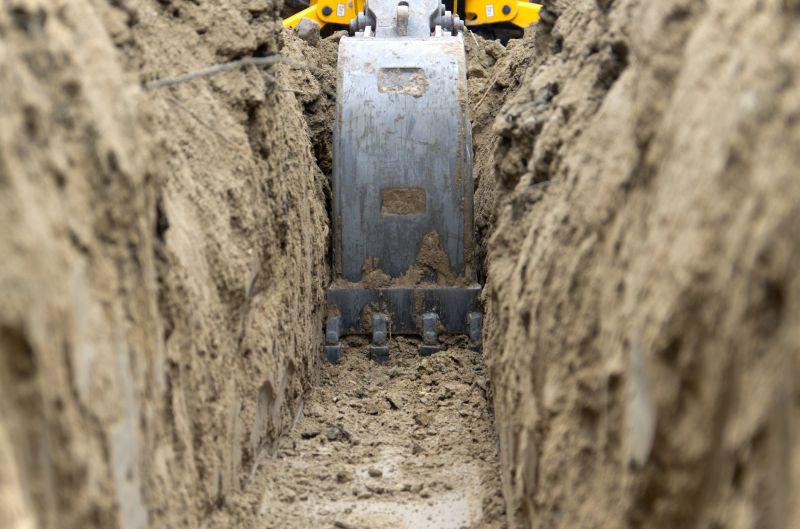
Backhoe Trenching in Houston, TX
Backhoe trenching services involve the use of a backhoe machine to dig narrow, precise trenches in residential properties. These trenches are often needed for installing utilities such as water lines, sewer pipes, electrical cables, or drainage systems. Property owners typically request this service for projects that require underground work, landscaping, or foundation improvements, ensuring that the trenches are dug efficiently and accurately to meet project specifications.
Before requesting backhoe trenching, property owners should consider the location and depth of the trenches, as well as any underground obstacles like existing pipes or utility lines. It’s also helpful to understand the scope of the project, including the length and width of the trenches, to ensure proper planning and coordination. Clear communication about the intended purpose and site conditions can help facilitate a smooth trenching process and successful project completion.
Many property owners in Houston, TX look into Backhoe Trenching for repairs, replacements, upgrades, and appearance-related improvements.
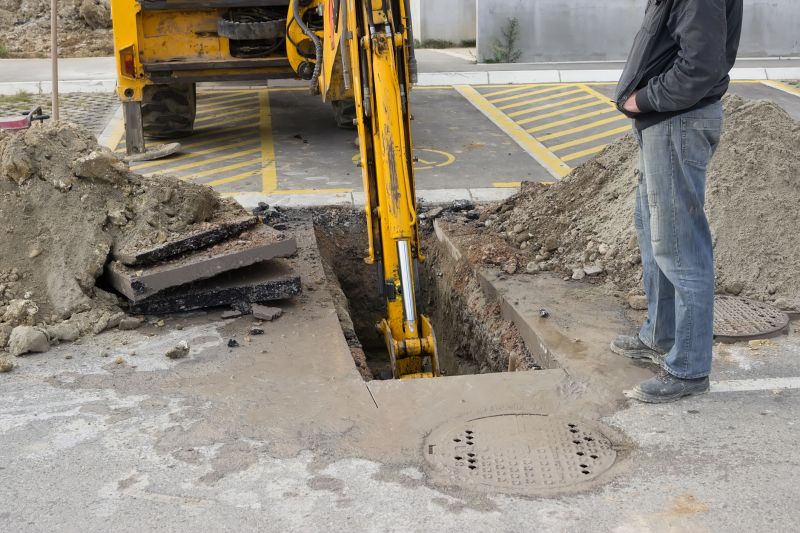
Utility Line Installation
Backhoe trenching is essential for installing or repairing underground utility lines on residential properties.
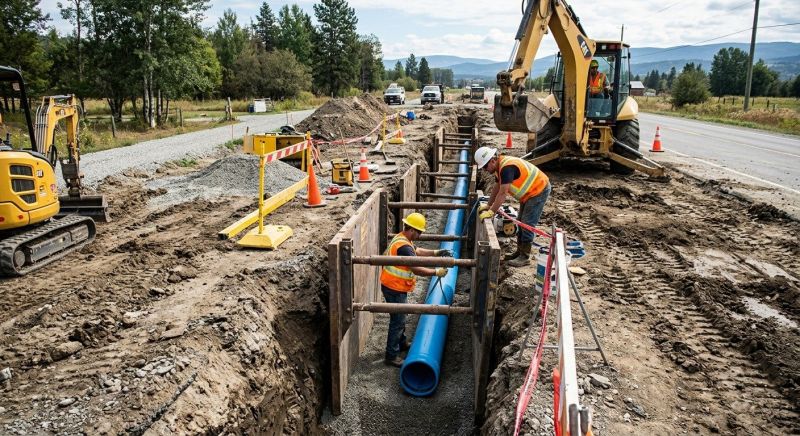
Drainage And Irrigation Projects
Creating trenches for drainage systems or sprinkler lines helps improve water management on houston area properties.
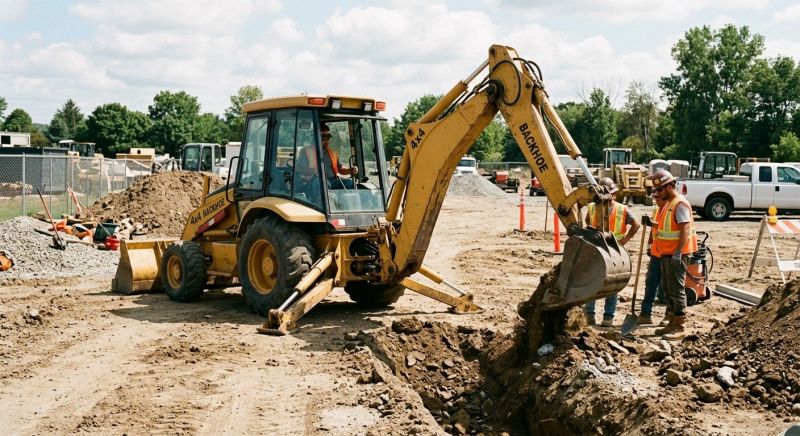
Foundation And Landscaping Support
Backhoe trenching assists in preparing ground for foundation work or landscape features like retaining walls and pathways.
Backhoe Trenching in Houston, TX
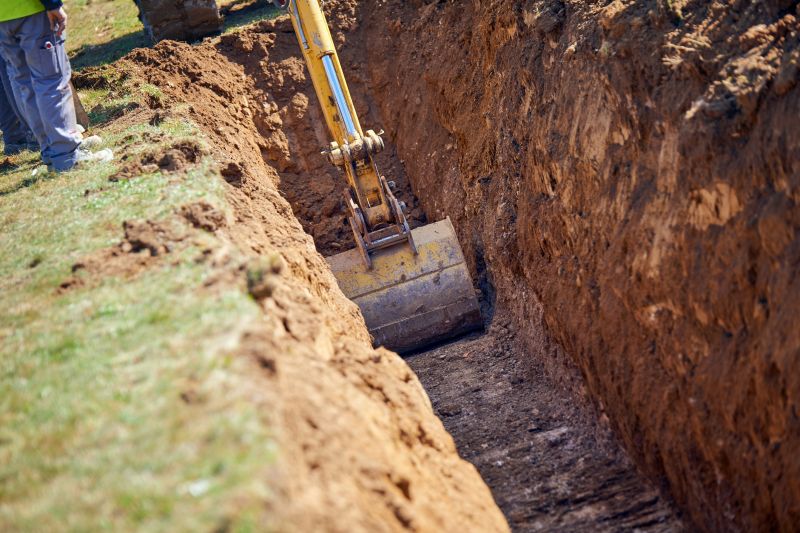
Backhoe trenching services involve the use of a backhoe machine to dig narrow, precise trenches in residential properties. These trenches are often needed for installing utilities such as water lines, sewer pipes, electrical cables, or drainage systems. Property owners typically request this service for projects that require underground work, landscaping, or foundation improvements, ensuring that the trenches are dug efficiently and accurately to meet project specifications.
Before requesting backhoe trenching, property owners should consider the location and depth of the trenches, as well as any underground obstacles like existing pipes or utility lines. It’s also helpful to understand the scope of the project, including the length and width of the trenches, to ensure proper planning and coordination. Clear communication about the intended purpose and site conditions can help facilitate a smooth trenching process and successful project completion.
Many property owners in Houston, TX look into Backhoe Trenching for repairs, replacements, upgrades, and appearance-related improvements.
Common Backhoe Trenching Jobs
Drainage Projects - trenches are dug to improve water flow and prevent flooding around properties.
Utility Line Installation - trenches provide a pathway for installing water, sewer, or electrical lines.
Foundation Excavation - trenches prepare the ground for building or repairing foundations.
Landscape Drainage Solutions - trenches help redirect surface water away from lawns and gardens.
Irrigation System Installation - trenches create channels for underground sprinkler and irrigation lines.
Property Drainage Improvements - trenches assist in managing stormwater and reducing soil erosion.
Backhoe Trenching Questions
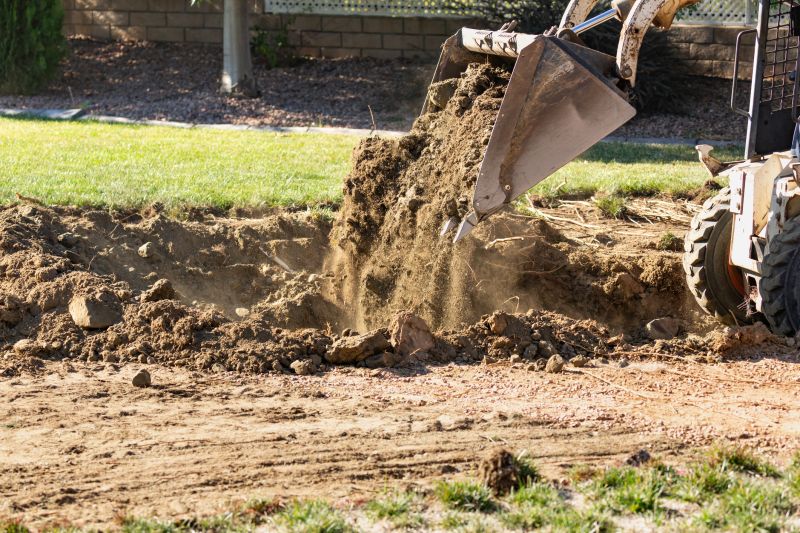
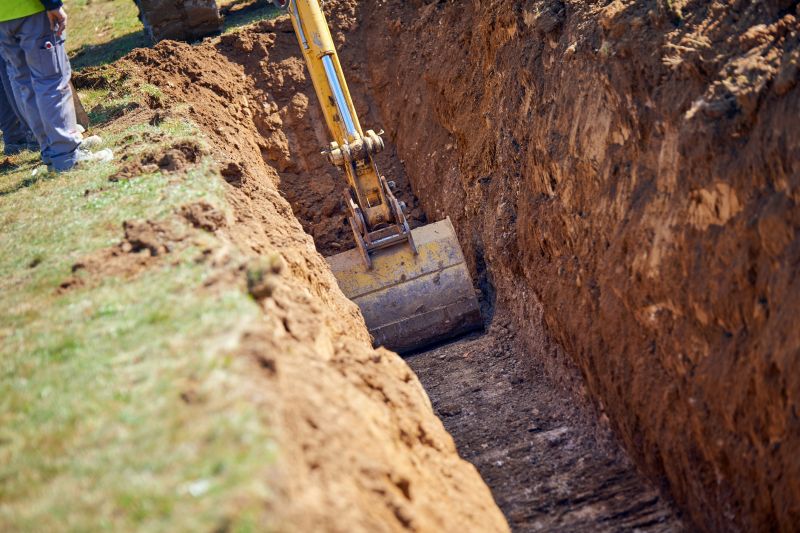
What is backhoe trenching used for? Backhoe trenching is commonly used for installing utilities, drainage systems, and irrigation lines on residential properties.
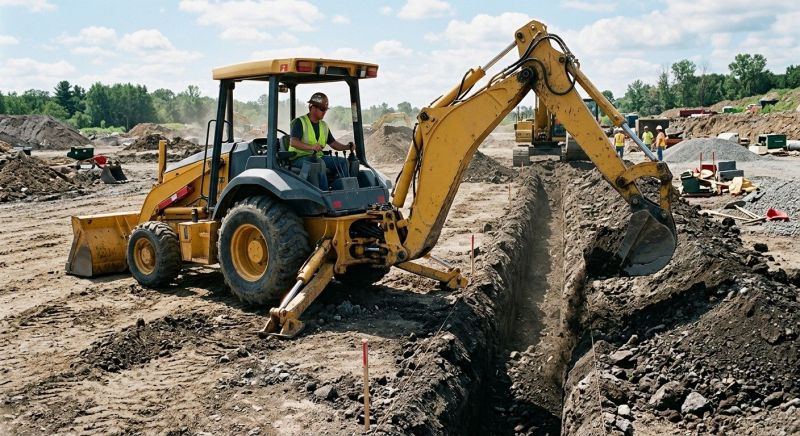
How deep can a backhoe dig? Backhoes can typically dig trenches up to 10 feet deep, depending on the equipment and soil conditions.
Is backhoe trenching suitable for small residential projects? Yes, backhoe trenching is effective for both small and larger-scale projects, providing precise and efficient digging.
What should property owners consider before trenching? It's important to identify underground utilities and plan the trench location to avoid existing structures and services.
Request Backhoe Trenching in Houston, TX
Use the quote form on this page to share the basics of your project and request more information for the type of work you need.